For registered nurses
You already think like an expert. Now you can prove it.
The CRS-BC is a board certification that measures how you reason through real patients, not how long you've worked or how well you take tests. It works in any setting and any specialty, from the ED to med-surg to the clinic. Talk through your shift out loud, from who you see first to how you hand off, get scored by expert reviewers, and earn the letters after your name.
No minimum years. No exam. Your employer may cover the $525 fee.
Nonprofit 501(c)(3)
ABSNC accreditation in progress
23 min
New nurses trained in the IIAR method finished high-acuity ED protocols in 23 minutes. Experienced nurses without it took 43.5. With the same training, experienced nurses got it down to 17.
Longitudinal study, 542 observations, 2026“I am the confident and safe nurse I am today because of IIAR.”
What CRS-BC does for your career
Letters that mean something.
CRS-BC after your name tells a hiring manager you were scored on how you prioritize and act at the bedside, not on seat time.
No waiting your turn.
There's no years-of-service requirement. If your reasoning is strong now, you can certify now.
Built from your real work.
You talk through a real shift, as it happens, using the IIAR method. No multiple-choice exam, no prep course, no essay from scratch.
Your employer may pay.
Many hospitals sponsor the $525 fee with a code. Ask your manager or unit educator.
“It takes years to develop a safe nursing judgment schema in your head through trial and error. Having a structured tool like the IIAR framework will radically speed up this process for new graduates.”
Your credential is valid for 3 years and listed in our public registry, so employers can verify it.
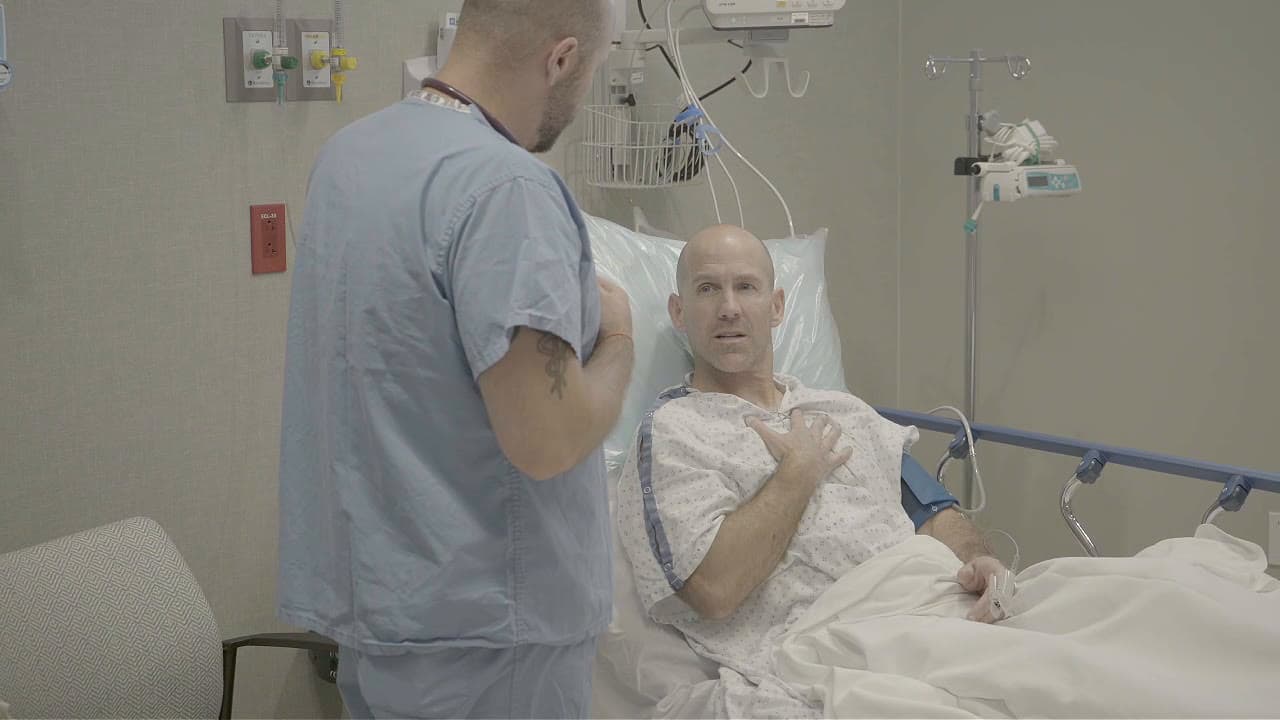
Other credentials count your years. This one reads your judgment.
Two nurses with the same title and the same years can handle a crashing patient very differently. Managers know it. Until now, there was no way to show it.
Most credentials measure
- Years worked
- Hours logged
- Facts recalled on a test
- One specialty at a time
CRS-BC measures
- What you noticed first
- What you did about it
- How you checked that it worked
- Your reasoning, in any setting
That's the IIAR method: Identify, Intervene, Assess, Reassess. See the standards
Scored on a validated rubric, with reviewer agreement rated excellent.
“...the nurses trained under this kind of framework are consistently the ones who catch what the monitor hasn't caught up to yet.”
Three steps, built around a shift you're already working
Who can apply: any RN with an active, unencumbered license who currently works in direct patient care.
Step 1: Talk it through.
Dictate your shift using the IIAR method (Identify, Intervene, Assess, Reassess) in the WildeCare app. A direct submission option on our site is coming soon.
Step 2: Review and verify.
We transcribe your dictations. You fix transcription errors, write a short reflection in your own words, and your manager attests to the shift.
Step 3: Get reviewed.
Expert reviewers score your shift blind, without your name or hospital. You'll hear back within 30 days. Pass, and you're CRS-BC certified for 3 years.
Cost: $525, or $0 with an employer sponsor code.
Hiring and keeping good nurses?
New-nurse turnover is expensive, and years of experience don't tell you who's ready. CRS-BC gives you a measured read on clinical reasoning at hiring and a clear development path after.
- New-grad orientation in programs using the IIAR method
- 12 → 8.4 weeks
- New-grad orientation in programs using the IIAR method
- Estimated savings per new-graduate hire
- $18,792
- Estimated savings per new-graduate hire
“We actively demand accredited, psychometrically validated standards like the CRS-BC™ to protect patient safety and optimize our workforce.”
Built by nurses who've been at the bedside
CRS-BC was created by working nurses and nurse educators.

Dr. Emily CalabroPhD, RN, CCRN, CHPN, CLNC, CCISM
Chief of Research and Innovation, Interim Chair
Dr. Em started as an LPN, spent years in intensive care, and went on to earn her PhD in nursing. She leads the research behind the CRS-BC.
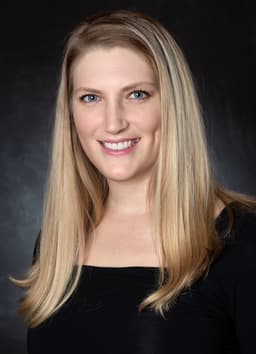
Angela BennettMSN, MPH, RN, NPD-BC, CEN
Chief of Quality Improvement and Appraisal Assessment
Angela has 17 years in emergency, trauma, public health, and med-surg nursing. She oversees quality and how every CRS-BC case is appraised.
Frequently Asked Questions
Who can apply?
Any RN with an active, unencumbered license who currently works in direct patient care.
Do I need a certain number of years?
No. We measure how you reason, not how long you've worked. New grads with strong reasoning are welcome to apply.
What do I submit?
Dictations from one real shift using the IIAR method, a short reflection on your reasoning, your manager's confirmation that you worked the shift, and a copy of your RN license. Detailed submission instructions are provided when applications open.
How much does it cost, and who pays?
The credential fee is $525. Many employers sponsor it with a code you enter at submission. [Reimbursement line, once ABSNC accreditation is final.]
How long does it take?
Your dictations happen during a normal shift. Most nurses then spend one to two hours on their transcript review and reflection. You'll hear back within 30 days of submitting.
Is scoring fair?
Reviewers never see your name, hospital, or demographics, and every shift is scored against the same rubric. In validation testing, reviewers agreed with each other at a level rated excellent.
Is CRS-BC accredited?
ABCR is a 501(c)(3) nonprofit recognized at the federal and state level. We're currently pursuing accreditation through ABSNC, the Accreditation Board for Specialty Nursing Certification. We'll post an update here when it's granted.
How is this different from NCLEX or a specialty certification?
NCLEX shows you're safe to start practicing. Specialty certifications show what you know in one area. CRS-BC shows how you think through a patient, in any setting.
What if I don't pass?
If reviewers need more information, we'll send you one request. If your answers still don't meet the standard, you can submit a new shift. You can also file an appeal.
What is the ABCR Portal?
The ABCR Portal is your home base for the CRS-BC™ credential. Use it to check eligibility, build and submit your e-portfolio, track review status, and verify certified clinicians in the public registry.